
We’re travel bloggers who spend most of our time exploring new and lesser-known places across Canada, searching for landscapes, stories, and communities that deserve more attention. This time, we decided to focus on Wood Buffalo Fort McMurray, a region that many people know only by name but few truly understand. Stretching across northern Alberta, Wood Buffalo is more than a point on the map – it’s a massive area shaped by forests, rivers, and long-standing Indigenous history. As we travelled through its communities, talked to locals, and explored the land, we realized how much this region offers to anyone willing to look beyond stereotypes and discover its real character.
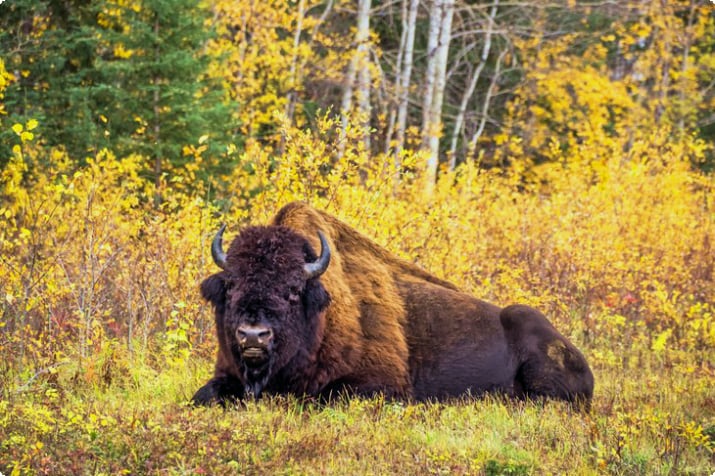
“Nothing develops intelligence like travel.”
– Emile Zola
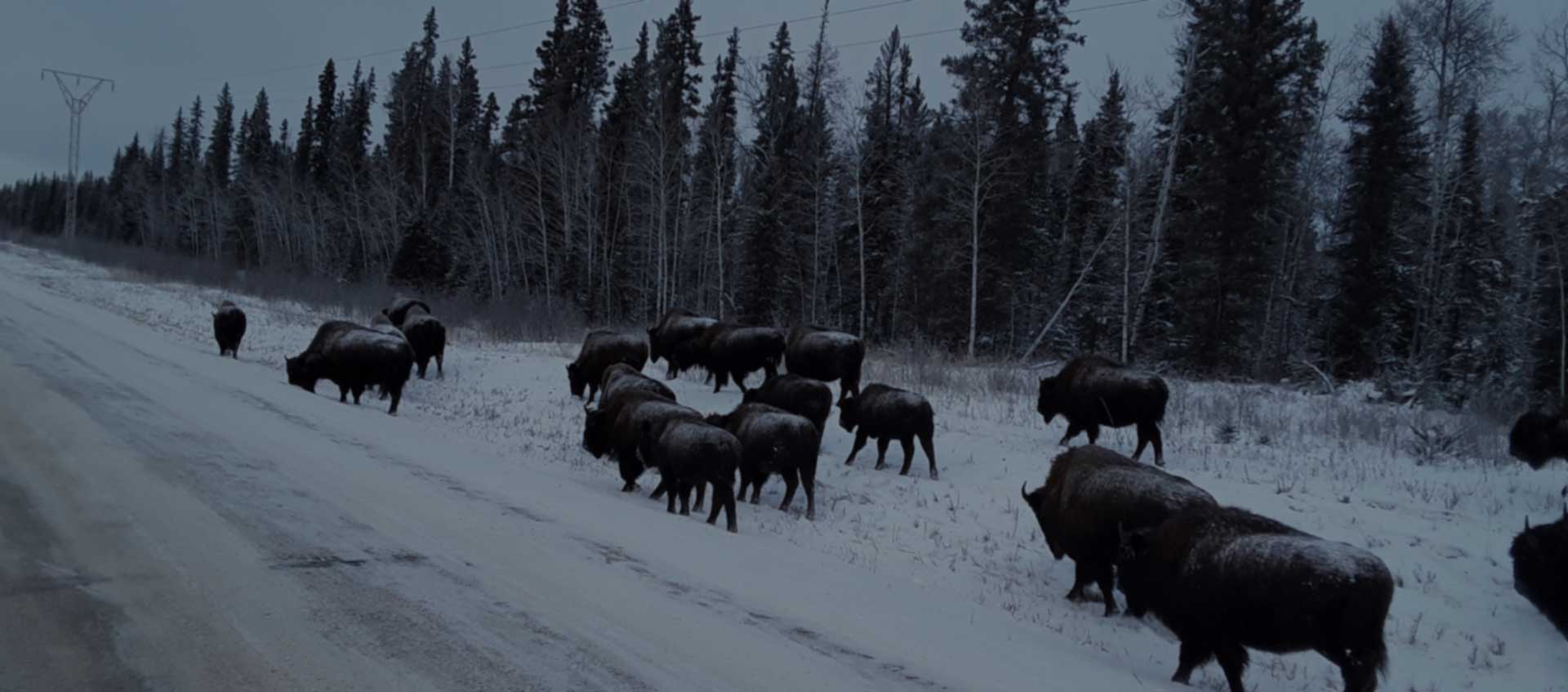
Where Wood Buffalo Is Located
Wood Buffalo sits up in Northeastern Alberta, and getting here is easier than we expected – a long but simple highway drive or a short flight that drops you right into the region’s forests. When people ask where is Fort McMurray, they often learn that Fort McMurray is only one part of this large northern area. The region includes both remote communities and more populated neighbourhoods, all surrounded by forests, lakes, and traditional Indigenous territories. When we first drove into the region, our GPS kept switching between small road names and long stretches of nothing but forest, which honestly made us laugh – it’s the kind of place where the map seems as wild as the landscape
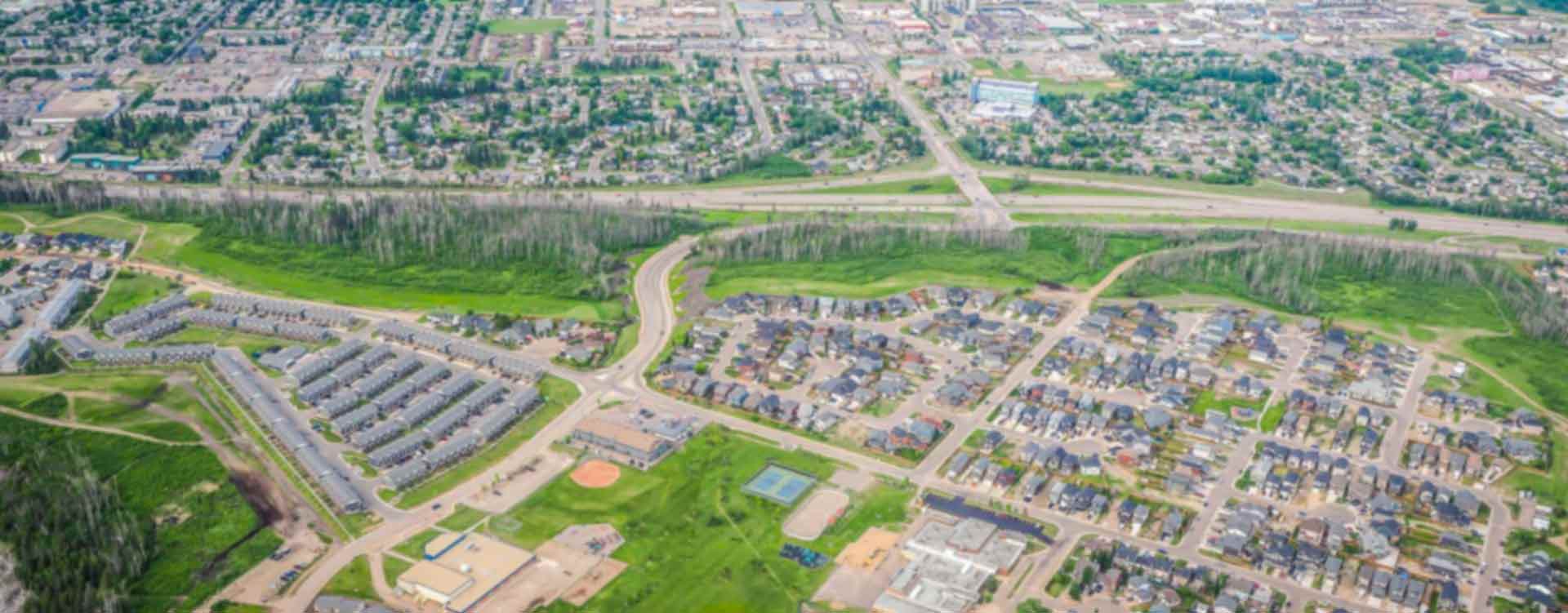
Fort McMurray: The Regional Centre
At the heart of the region is Fort McMurray, a city known for its resilience, cultural mix, and connection to the rivers. Across Alberta, people casually call it Fort Mac, and local conversations often shorten it to McMurray. Online searches sometimes show versions like Fort McMuray or Fort McGurry, reflecting how widely the name circulates.
As the main urban hub of Fort McMurray Canada, the city provides hospitals, recreation centres, schools, festivals, and services for the entire region. Many newcomers search for Fort McMurray Alberta to learn about living conditions, climate, and lifestyle, and residents often use the nickname Fort Mac Alberta when talking about home. One local jokingly told us, ‘If you call it Fort McMuray, you’re definitely not from here yet,’ and it became a running joke for the rest of our trip.”
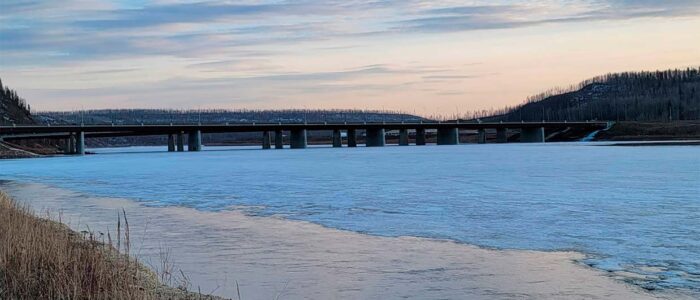
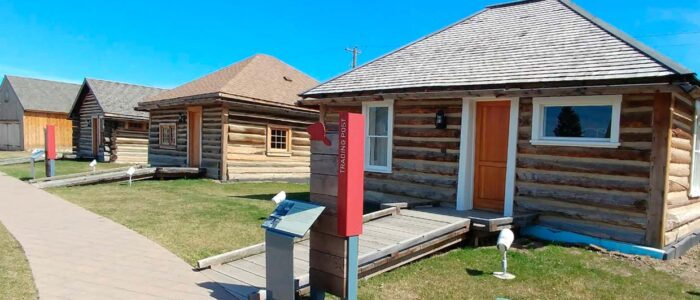
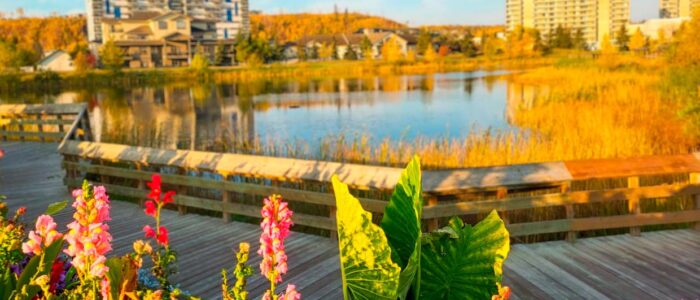
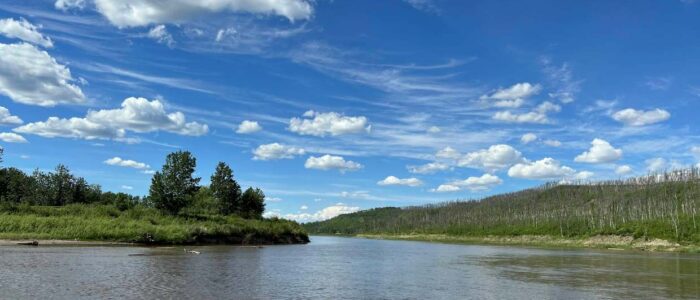
The Biggest Surprises in Wood Buffalo and Why It’s Worth the Trip
Discovery | Why It Matters for Travellers |
|---|---|
Huge contrast between communities | You can experience both a busy urban centre and quiet lakeside areas in one trip |
Strong Indigenous culture | Authentic traditions, craft markets, and community events to explore |
Wildlife and weather stories everywhere | Insight into real northern life – from flood seasons to aurora nights |
More scenic variety than expected | Forests, rivers, deltas, hills, and Wood Buffalo national park landscapes |
Friendly locals with personal stories | Travel feels immersive and community-driven, not touristy |
What Surprised Us Most
- How dramatically the region changes from Fort McMurray’s urban energy to remote communities surrounded by forest
- The way locals openly share stories about wildfires, floods, wildlife encounters, and traditional food
- It’s a place where someone might go from a modern office job to checking fish nets or attending a cultural gathering later the same evening – that mix feels surprisingly natural here. How each small community feels completely different from the next
- The amount of nature you can reach within minutes of the highway
Small Notes From Our Trip
- We kept stopping the car because the scenery changed every 20 minutes.
- Locals were quick to recommend their favourite lakes – everyone had a different one.
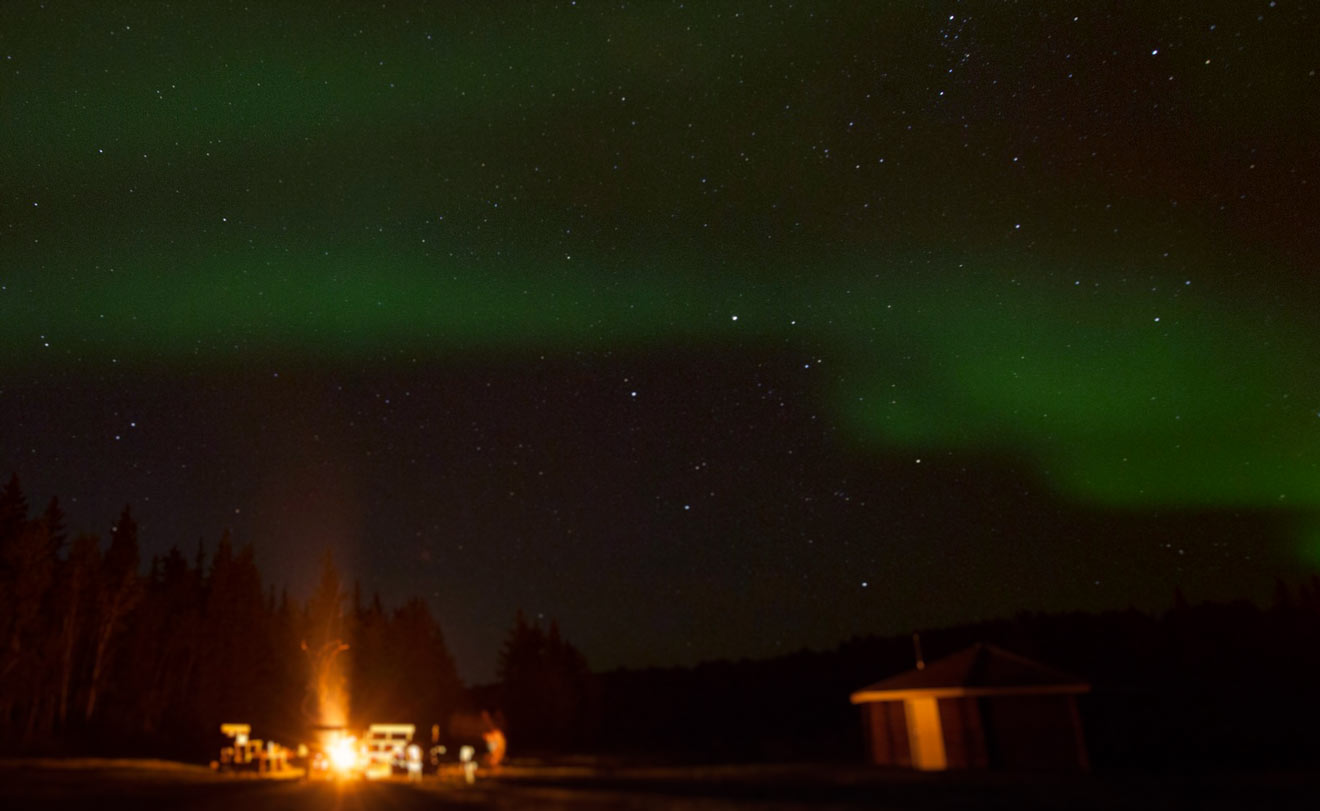
- The northern lights caught us off guard one night; we weren’t even looking for them.
Why Wood Buffalo Is Worth Visiting
- One of Alberta’s best regions for northern lights viewing
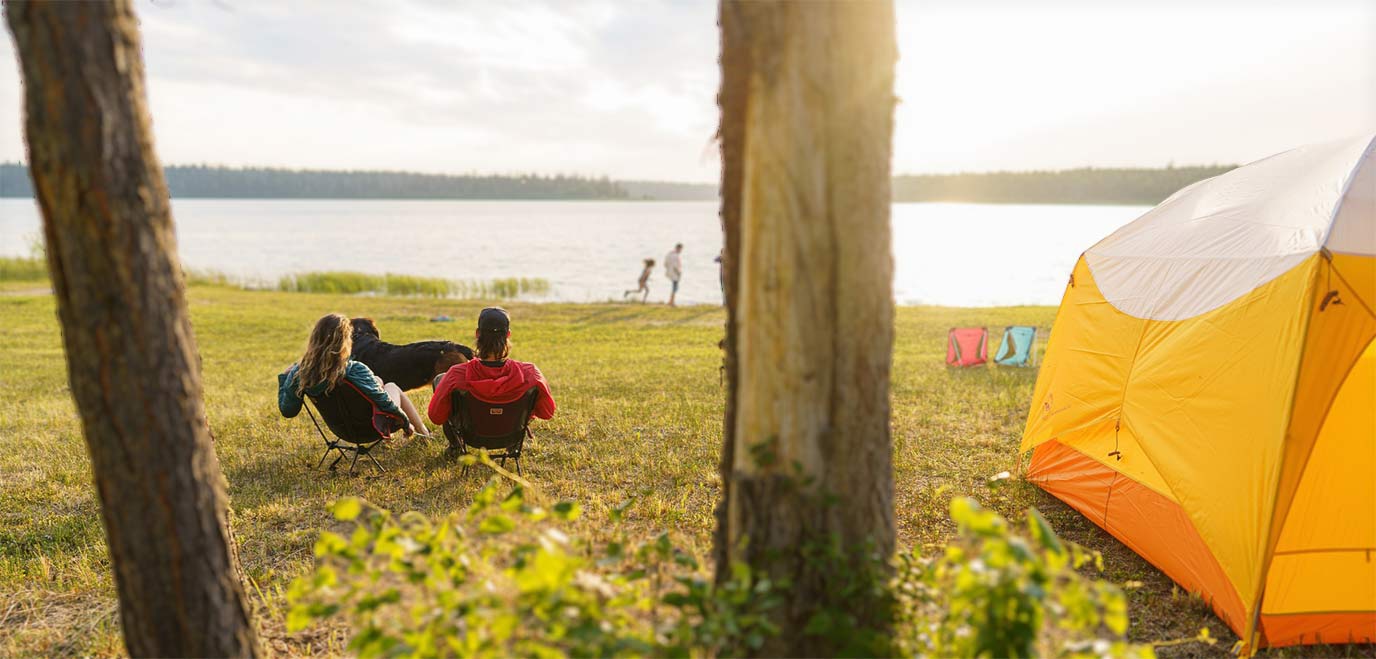
- Endless outdoor options: lakes, rivers, hiking, paddling, winter trails
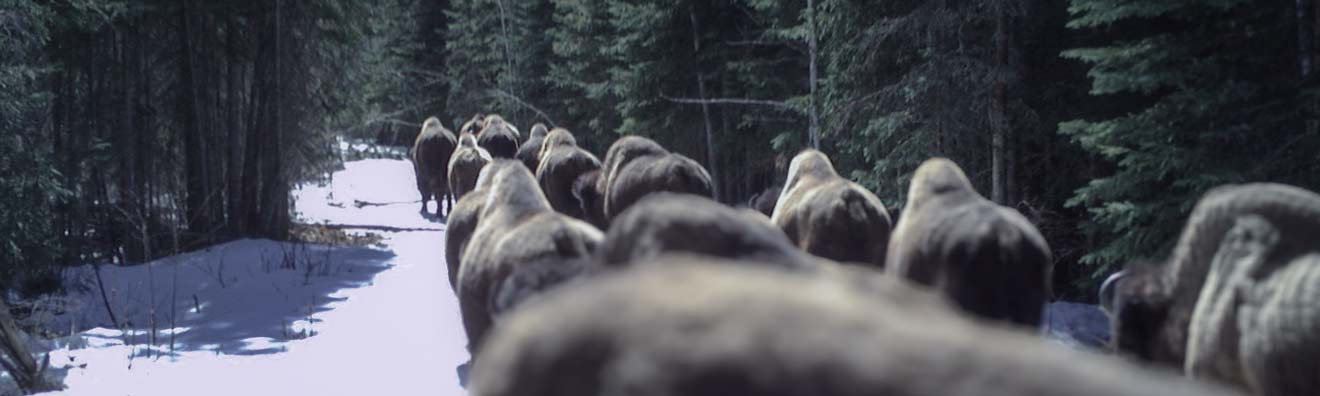
- Access to Wood Buffalo National Park, home to the world’s largest free-roaming wood bison herd
- Rich history tied to the fur trade and early river routes
- Community festivals, Indigenous craft fairs, and cultural gatherings
- Perfect for travellers who love road trips, wide landscapes, and remote adventures
Roots, Culture, and Everyday Life
Those looking for Fort McMurray information quickly learn that the region’s story began long before modern development. Cree, Dene, and Métis peoples built their lives here, with traditions tied to hunting routes, fishing grounds, and river travel. The fur trade expanded through this area, linking historic communities such as Fort Chipewyan and Fort Fitzgerald. Today, the culture blends Indigenous heritage, local history, and the experiences of people who moved north from across Canada and beyond.
Communities of Wood Buffalo
Wood Buffalo includes a wide mix of communities, each shaped by local history, land, and culture. Here is a short look at the most notable ones:
- Anzac. A peaceful lakeside community near Gregoire Lake, known for outdoor recreation and a family-friendly setting.
- Conklin. A quiet rural community with strong Indigenous traditions, surrounded by forests and lakes used for fishing and berry picking.
- Draper. A small rural area east of Fort McMurray, made up of acreages along the Clearwater River and appreciated for its open space and privacy.
- Fort Chipewyan. One of Alberta’s oldest communities, located near Wood Buffalo National Park. It has a rich Cree, Dene, and Métis history and is accessible mainly by air or winter road.
- Fort Fitzgerald. A tiny, remote settlement near the Northwest Territories border, historically important for portaging during the fur-trade era.
- Fort McKay. A First Nation community along the Athabasca River, known for its strong cultural identity and close ties to the land.
- Fort McMurray. The region’s main urban centre, home to diverse residents, community facilities, cultural events, and essential services.
- Gregoire Lake Estates. A lakeside residential area offering boating, camping, and quick access to Gregoire Lake Provincial Park.
- Janvier. A close-knit Indigenous community shaped by cultural gatherings, land-based traditions, and quiet surroundings.
- Saprae Creek. A rural neighbourhood near the airport with larger properties, open spaces, and easy access to both the city and nature.
Outdoor Life and Seasonal Activities
Wood Buffalo’s landscape is dominated by boreal forest, river systems, and lakes. Residents and visitors enjoy fishing, kayaking, hiking, camping, snowmobiling, skating, and northern lights viewing. Wood Buffalo National Park, one of the world’s largest, offers a rare view of bison herds, dark skies, and remote wilderness.
Living and Travelling Across the Region
Daily life depends on where you live. Urban areas have full services and recreation centres, while rural communities offer quieter settings with strong local traditions. Travel can involve paved highways, gravel roads, small aircraft, and seasonal winter roads that connect the far north.
Interesting Facts About the Wood Buffalo Region
- It’s one of the largest municipalities in North America, larger than some entire countries.
- Wood Buffalo National Park is home to the world’s largest free-roaming wood bison herd.
- The region sits under some of Canada’s clearest northern-light skies.
- Fort Chipewyan, founded in 1788, is one of Alberta’s oldest continuously inhabited communities.
- The Clearwater and Athabasca Rivers were once major fur-trade highways connecting the Prairies to the Arctic.
- The region covers zones where Cree, Dene, and Métis cultures intersect, creating strong blended traditions
Wood Buffalo Region Snapshot
Category | Data / Statistic |
|---|---|
Type of Municipality | Specialized municipality (RMWB) |
Year Established | April 1, 1995 (City of Fort McMurray + Improvement District No. 143 amalgamation) |
Official Renaming | Became the “Regional Municipality of Wood Buffalo” on August 14, 1996 |
Total Area | 105,650.88 km² (40,792.03 sq mi) – largest in Canada by area |
Includes | Wood Buffalo National Park (one of the world’s largest parks) |
Notable Resource | Home to the Athabasca oil sands, one of the largest oil sand deposits globally |
Major Water Systems | Athabasca River, Lake Athabasca, Peace-Athabasca Delta |
Neighbouring Regions | Saskatchewan (east), Northwest Territories (north), multiple Alberta districts (west & south) |
Why Wood Buffalo Leaves a Mark
Wood Buffalo stands out because it’s more than a single town – it’s a network of communities shaped by land, culture, and resilience. Fort McMurray plays the role of urban centre, but every surrounding community contributes to the region’s identity. Whether you explore its lakes, meet its people, or learn its history, Wood Buffalo offers a northern experience that feels grounded, genuine, and unforgettable.
We’re independent travel bloggers sharing our own experiences, impressions, and research about the region. This article is not an official source of municipal information, and we aren’t connected to the Regional Municipality of Wood Buffalo or any local authority. For the most accurate updates on services, regulations, events, and travel advisories, please visit the official Wood Buffalo website or contact the municipality directly.